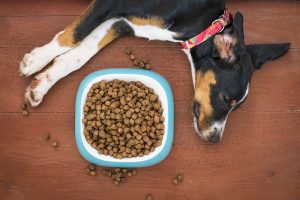
Bringing a dog into your life is an immensely rewarding experience. However, it also comes with the responsibility of ensuring your furry friend remains healthy and happy. A thriving pup is one that receives the right care, attention, and love. This comprehensive guide offers essential dog health tips to ensure your canine companion leads a vibrant and joyful life.
Nutrition: The Foundation of Good Health
Choosing the Right Diet
Nutrition plays a crucial role in maintaining your dog’s overall health. With numerous options available, selecting the right diet can be overwhelming. It’s important to choose a diet that is appropriate for your dog’s age, size, breed, and activity level. Puppies, adults, and senior dogs all have specific nutritional requirements.
High-quality commercial dog foods are generally well-balanced and formulated to meet these needs. Look for products that list a whole protein source as the first ingredient, such as chicken, beef, or fish. Avoid foods with excessive fillers like corn, soy, and wheat, and steer clear of artificial additives and preservatives.
Understanding Portion Control
Overfeeding is a common problem that can lead to obesity, which is associated with various health issues, including diabetes and joint problems. Follow the feeding guidelines provided on dog food packaging, but adjust portions based on your dog’s specific needs and energy expenditure. Consult with your veterinarian to determine the ideal portion size for your dog.
Incorporating Essential Nutrients
In addition to a balanced diet, some dogs may benefit from supplements, such as omega-3 fatty acids for a shiny coat, glucosamine for joint health, or probiotics for digestive support. Always consult with your veterinarian before introducing supplements to your dog’s diet.
Regular Exercise: Keeping Your Dog Fit and Happy
Tailoring Exercise to Your Dog’s Needs
Exercise is essential for your dog’s physical and mental well-being. The amount and type of exercise required will vary depending on your dog’s age, breed, and health status. For instance, a Border Collie will require more vigorous exercise than a Bulldog.
Daily walks, playtime, and interactive games are excellent ways to keep your dog active. For high-energy breeds, consider activities like agility training, hiking, or swimming.
The Benefits of Mental Stimulation
Mental stimulation is just as important as physical exercise. Engaging your dog’s mind can prevent boredom and destructive behaviors. Puzzle toys, obedience training, and interactive games are effective ways to challenge your dog’s mind.
Routine Veterinary Care: The Key to Early Detection
Regular Check-Ups
Routine veterinary check-ups are crucial for early detection of potential health issues. Most veterinarians recommend annual visits for adult dogs and more frequent visits for puppies and senior dogs. During these check-ups, your veterinarian will perform a thorough examination, update vaccinations, and discuss preventative care.
Vaccinations and Preventative Medications
Vaccinations protect your dog from various infectious diseases, such as rabies, parvovirus, and distemper. Ensure your dog is up-to-date with their vaccination schedule. Additionally, preventative medications for fleas, ticks, and heartworms are essential to maintain your dog’s health, especially if they spend a lot of time outdoors.
Recognizing Signs of Illness
Being attentive to changes in your dog’s behavior or appearance can help you recognize signs of illness early. Look out for symptoms such as lethargy, loss of appetite, vomiting, diarrhea, coughing, or unusual lumps. If you notice any of these signs, consult your veterinarian promptly.
Grooming: More Than Just Looking Good
Regular Brushing
Regular grooming keeps your dog’s coat healthy and reduces shedding. The frequency of brushing depends on your dog’s coat type. Long-haired breeds may require daily brushing, while short-haired breeds can be brushed weekly. Brushing also provides an opportunity to check for skin issues, parasites, or unusual lumps.
Bathing Routine
Bathe your dog as needed, typically every 4-6 weeks, depending on their activity level and coat type. Use a mild dog shampoo to avoid skin irritation. Over-bathing can strip natural oils from the skin, so it’s important not to bathe too frequently.
Nail Care and Ear Cleaning
Regular nail trimming prevents overgrown nails, which can cause discomfort and affect your dog’s gait. Most dogs require nail trimming every 3-4 weeks. Additionally, check your dog’s ears for signs of infection, such as redness or a foul odor, and clean them regularly with a vet-recommended ear cleaner.
Socialization and Training: Building a Confident Canine
Importance of Socialization
Proper socialization helps your dog develop into a well-adjusted and confident adult. Expose your puppy to a variety of people, environments, and other animals in a safe and controlled manner. This reduces the likelihood of fear-based behaviors and aggression in the future.
Basic Training Commands
Training is an essential aspect of responsible dog ownership. Teaching basic commands such as sit, stay, come, and heel ensures your dog’s safety and enhances your bond. Positive reinforcement methods, such as treats and praise, are effective and encourage desired behaviors.
Creating a Safe and Stimulating Environment
Home Safety
Creating a safe home environment is vital for your dog’s well-being. Ensure that your home is free of hazards, such as toxic plants, electrical cords, and small objects that could be swallowed. Use baby gates to restrict access to unsafe areas, and provide a comfortable space for your dog to rest.
Enrichment Activities
Enrichment activities provide mental and physical stimulation, preventing boredom and promoting cognitive development. Rotate toys regularly to keep your dog engaged, and consider introducing new activities, like scent work or interactive feeders, to challenge their instincts.
Conclusion
Maintaining your dog’s health involves a multifaceted approach that encompasses nutrition, exercise, veterinary care, grooming, socialization, and a safe environment. By implementing these essential dog health tips, you can ensure your pup thrives and enjoys a long, happy life by your side. Remember, a healthy dog is a happy dog, and the effort you invest in their well-being will be rewarded with unconditional love and companionship.
#ChatGPT assisted in the creation of this article.