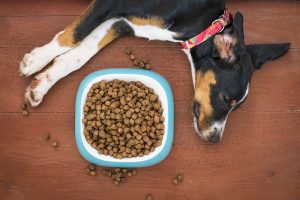
Understanding what constitutes optimal nutrition for your dog is crucial for their overall health and well-being. Like humans, dogs require a balanced diet that provides essential nutrients, vitamins, and minerals to support their bodily functions. Proper nutrition can enhance their immune system, maintain a healthy weight, promote good digestion, and contribute to a shiny coat and overall vitality.
Understanding Essential Nutrients for Dogs
Proteins
Proteins are the building blocks of your dog’s body. They are essential for growth, maintenance, and repair of tissues. High-quality protein sources include meat, poultry, fish, and eggs. It’s important to ensure that your dog’s diet contains adequate protein, especially if they are highly active or growing puppies.
Fats
Fats are a concentrated source of energy and are crucial for absorbing fat-soluble vitamins like A, D, E, and K. They also support brain function and provide essential fatty acids that contribute to a healthy coat and skin. Look for sources of healthy fats such as fish oil, flaxseed, and chicken fat.
Carbohydrates
Carbohydrates provide a source of energy and are found in ingredients like grains, vegetables, and fruits. While dogs do not have a strict carbohydrate requirement, they can digest and utilize them effectively. Whole grains and fiber-rich vegetables should be part of your dog’s diet for optimal digestive health.
Vitamins and Minerals
Vitamins and minerals are vital for various bodily functions, including bone development, immune function, and nerve function. A balanced commercial dog food typically contains the necessary vitamins and minerals. However, it’s crucial to avoid over-supplementing, which can lead to health issues.
Creating a Balanced Diet for Your Dog
Commercial Dog Food
Choosing high-quality commercial dog food is a convenient way to ensure your dog receives a balanced diet. Look for brands that meet the Association of American Feed Control Officials (AAFCO) standards, as this indicates the food has been tested for nutritional adequacy.
Homemade Dog Diets
If you prefer preparing homemade meals for your dog, it’s essential to consult with a veterinarian or a canine nutritionist to ensure the diet is balanced. Homemade diets should include a variety of proteins, carbohydrates, and vegetables along with necessary supplements to meet your dog’s nutritional needs.
Raw Feeding
Raw feeding involves providing dogs with a diet consisting of raw meats, bones, and organs. Advocates of raw feeding argue that it mimics the natural diet of dogs’ wild ancestors. However, it’s crucial to ensure the diet is balanced and safe to prevent nutritional deficiencies or health risks from pathogens.
Special Dietary Considerations
Age and Life Stage
The nutritional needs of dogs vary based on their age and life stage. Puppies require more calories and nutrients to support growth, whereas adult dogs need maintenance-level nutrients. Senior dogs may require diets lower in calories but higher in joint-supporting nutrients.
Breed-Specific Needs
Different breeds may have unique nutritional requirements. For instance, larger breeds may benefit from diets that support joint health, while smaller breeds might need calorie-dense food due to their higher metabolic rates.
Health Conditions
Certain health conditions can influence your dog’s dietary needs. Dogs with diabetes may require low-glycemic diets, while those with kidney issues might need lower protein levels. Always consult your veterinarian for tailored dietary recommendations if your dog has specific health issues.
Feeding Guidelines and Tips
Portion Control
Proper portion control is essential to prevent obesity, which can lead to various health problems. Follow the feeding guidelines provided on your dog food packaging and adjust based on your dog’s activity level, age, and weight.
Meal Frequency
Puppies typically require more frequent meals, while adult dogs can be fed once or twice a day. Consistent feeding times help regulate your dog’s digestion and prevent overeating.
Hydration
Ensure your dog has access to fresh and clean water at all times. Proper hydration is crucial for digestion, nutrient absorption, and overall health.
Treats and Snacks
Treats can be a valuable training tool and a way to supplement your dog’s diet, but they should not exceed 10% of their daily caloric intake. Opt for healthy, natural treats and avoid those high in sugars and artificial additives.
Reading Dog Food Labels
Understanding dog food labels can help you make informed choices about your dog’s diet. Pay attention to the ingredient list, nutritional adequacy statement, and guaranteed analysis. Look for whole ingredients and avoid foods with excessive fillers or artificial preservatives.
Common Dietary Myths and Misconceptions
Grain-Free Diets
Grain-free diets have become popular, but they are not necessarily healthier for all dogs. Some dogs may have grain allergies or sensitivities, but most can digest grains without issues. Consult your veterinarian before switching to a grain-free diet.
Human Food
While some human foods are safe for dogs, many can be harmful. Avoid feeding your dog chocolate, grapes, onions, garlic, and foods high in fat, as these can lead to serious health problems.
Conclusion
Optimal nutrition is a cornerstone of your dog’s health and happiness. By understanding their nutritional needs and making informed dietary choices, you can ensure your furry friend enjoys a long, healthy life. Always consult with your veterinarian when making significant changes to your dog’s diet, as they can provide personalized advice based on your dog’s individual needs.
#ChatGPT assisted in the creation of this article.